
A Mainer's Guide to Preventing Ice Dams: More Than Just a Winter Nuisance
If you've lived through a Maine winter, you're familiar with the sight: a thick ridge of ice along the edge of a roof, with a beautiful but menacing fringe of icicles hanging below. While they might look picturesque, these ice dams are a serious threat to your home. They can cause water to back up under your shingles, leading to leaks, damaged insulation, rotting wood, and even mold. For homeowners in the Portland area, preventing this damage isn't a luxury—it's a necessity. The good news is that with the right approach to your roofing, insulation, and ventilation, you can stop ice dams before they ever have a chance to form. This guide will walk you through the essential steps to protect your home from this wicked winter problem.
Understanding the Cause: Why Ice Dams Form
An ice dam is a classic example of a problem where the symptom (ice on the eaves) is different from the root cause (heat escaping from your house). It’s a chain reaction that happens on a poorly insulated or ventilated roof.
- Heat Loss: Warm air from your living space rises and escapes into the attic. This heats the underside of your roof deck.
- Snow Melts: The snow on the upper parts of your now-warm roof begins to melt, even when the outside temperature is well below freezing.
- Water Refreezes: The meltwater runs down the roof until it reaches the cold eaves and gutters, which are not heated by the attic. Here, the water refreezes, creating a small ridge of ice.
- The Dam Builds: As this cycle continues, the ridge of ice grows, forming a dam. Liquid water gets trapped behind it, creating a small pool.
This trapped water has nowhere to go but up, forcing its way back under the shingles and seeping into your home. A powerful Nor'easter can dump heavy snow, accelerating this entire process and leading to significant damage in a short amount of time.
Your Roof: The First Line of Defense
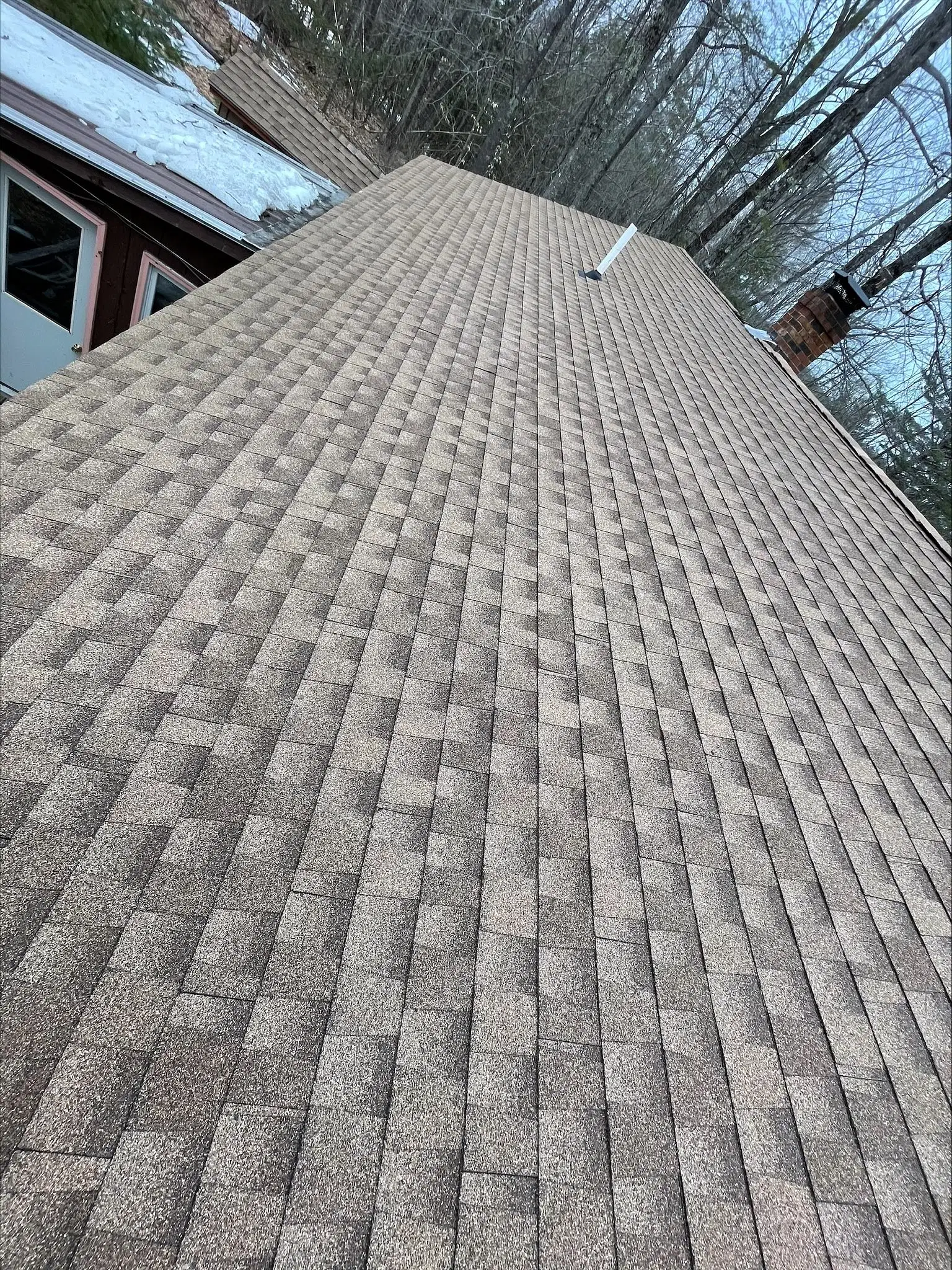
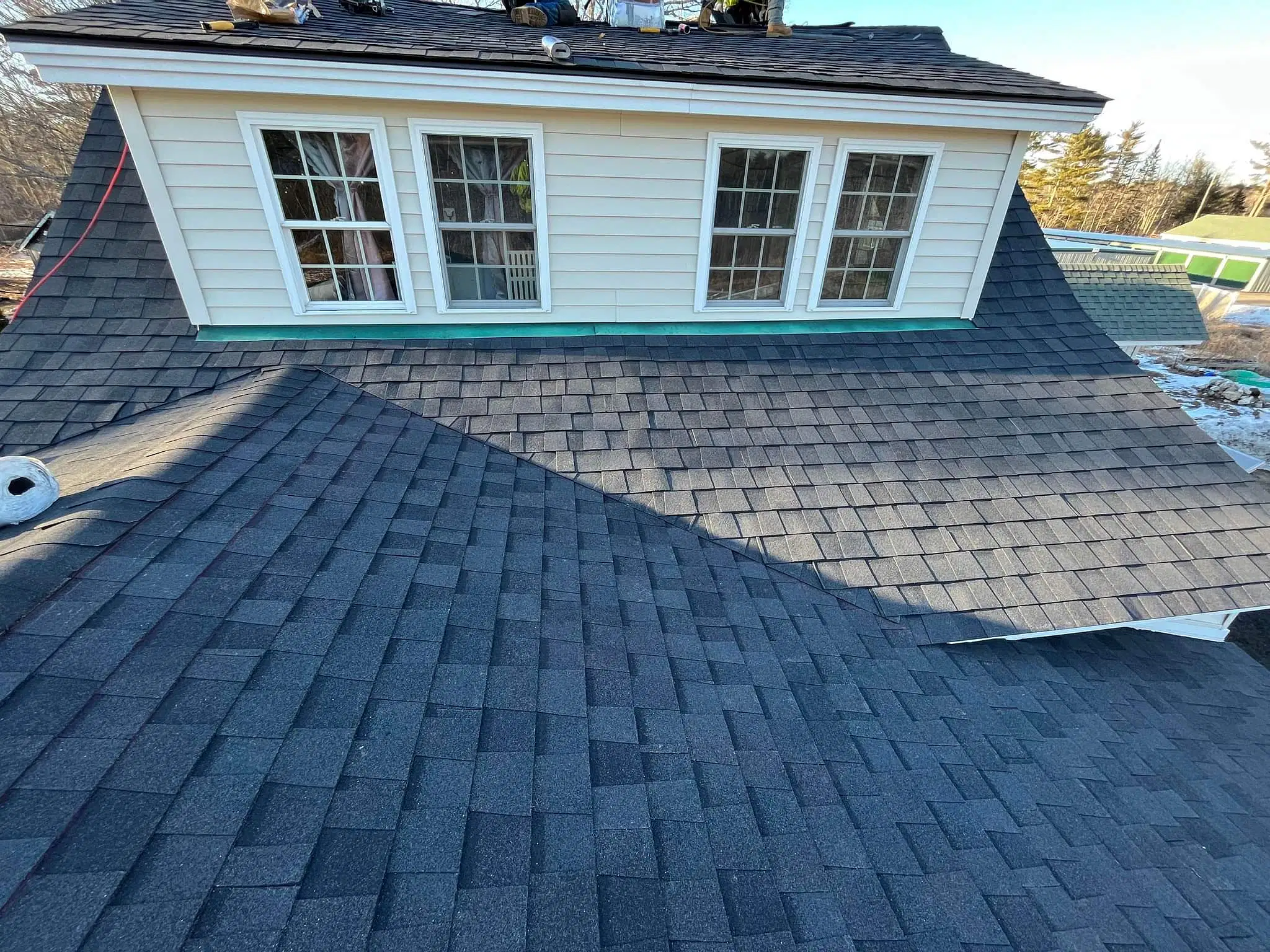
While heat loss is the trigger, your roofing system is what stands between the water and the inside of your home. A well-maintained, properly installed roof is crucial for mitigating ice dam damage. For homes in our climate, certain materials and installation techniques are non-negotiable.
Modern asphalt roofing is designed to withstand harsh weather, but its effectiveness is greatly enhanced by a critical component: an ice and water shield. This is a self-sealing waterproof membrane installed under the shingles along the most vulnerable areas of your roof, like the eaves, valleys, and around penetrations. It acts as a final barrier, preventing water that gets under the shingles from reaching your roof deck.
Metal roofing is another excellent option for Maine homes. Its smooth, durable surface helps shed snow more effectively, reducing the amount of snow that can melt and refreeze in the first place. Regardless of the material, professional installation is key to ensuring every component works together to protect your home.
The Real Solution: Insulation and Ventilation
To truly prevent ice dams, you have to stop the snow from melting on your roof. This means addressing the heat loss that starts the cycle. The most effective way to do this is with a comprehensive system of proper attic insulation and ventilation.
Insulation: The goal is to create a thick, continuous thermal blanket on your attic floor. This keeps the warm air where it belongs—in your living space. A well-insulated attic stays cold in the winter, keeping the roof deck at the same temperature as the outside air. This prevents the snow from melting and stops the ice dam cycle before it starts. Upgrading your insulation is one of the most important parts of any home remodeling project focused on long-term durability and energy efficiency.
Ventilation: Insulation alone isn't enough. A properly ventilated attic allows cold outside air to circulate, ensuring the roof deck stays uniformly cold. This is typically achieved with a balanced system of soffit vents (at the eaves) and a ridge vent (at the peak of the roof). This constant airflow flushes out any small amount of heat that does escape into the attic.
Air Sealing: Before adding insulation, it's vital to seal any air leaks from the living space into the attic. Gaps around light fixtures, plumbing vents, chimneys, and even poorly installed skylights can act as highways for heat, undermining your insulation and ventilation efforts.
Protect Your Home for the Long Haul
Ice dams are more than just an inconvenience; they are a clear sign that your home's roofing and insulation systems are not performing correctly. Ignoring them can lead to costly and stressful repairs down the road. The solution lies in a holistic approach that addresses the root cause of the problem: keeping your roof cold with a robust combination of a quality roof, proper insulation, and effective ventilation.
Don't wait for water stains to appear on your ceiling. If you're tired of battling ice dams every winter and want to protect your home in the greater Portland area, it's time to take action. Contact Dirigo Property Services today for a comprehensive evaluation. We can assess your roofing, insulation, and ventilation to create a lasting solution that keeps your home safe, dry, and comfortable for many winters to come.