
Choosing Between Composite and Pressure-Treated Custom Decks
When the snow finally melts and we start thinking about spending more time outdoors, extending your home's living space becomes a top priority. Whether you are hosting summer barbecues, enjoying a quiet morning coffee, or simply watching the leaves change in the fall, a well-built deck is the perfect addition to any home. But as any true Mainer knows, our weather asks a lot of our exterior structures. From the blistering sun of July to the heavy snows of January—not to mention the inevitable mess of mud season—your deck needs to be built to last.
At Dirigo Property Services, one of the most common questions we get from homeowners in the greater Portland area and across the state is which material to choose for their new outdoor space. The decision almost always comes down to two primary options: traditional pressure-treated wood or modern composite materials.
Both materials have their distinct advantages, and making the right choice depends on your budget, your willingness to perform annual upkeep, and your long-term goals for the property. Let's dive into the details so you can make an informed decision for your home.
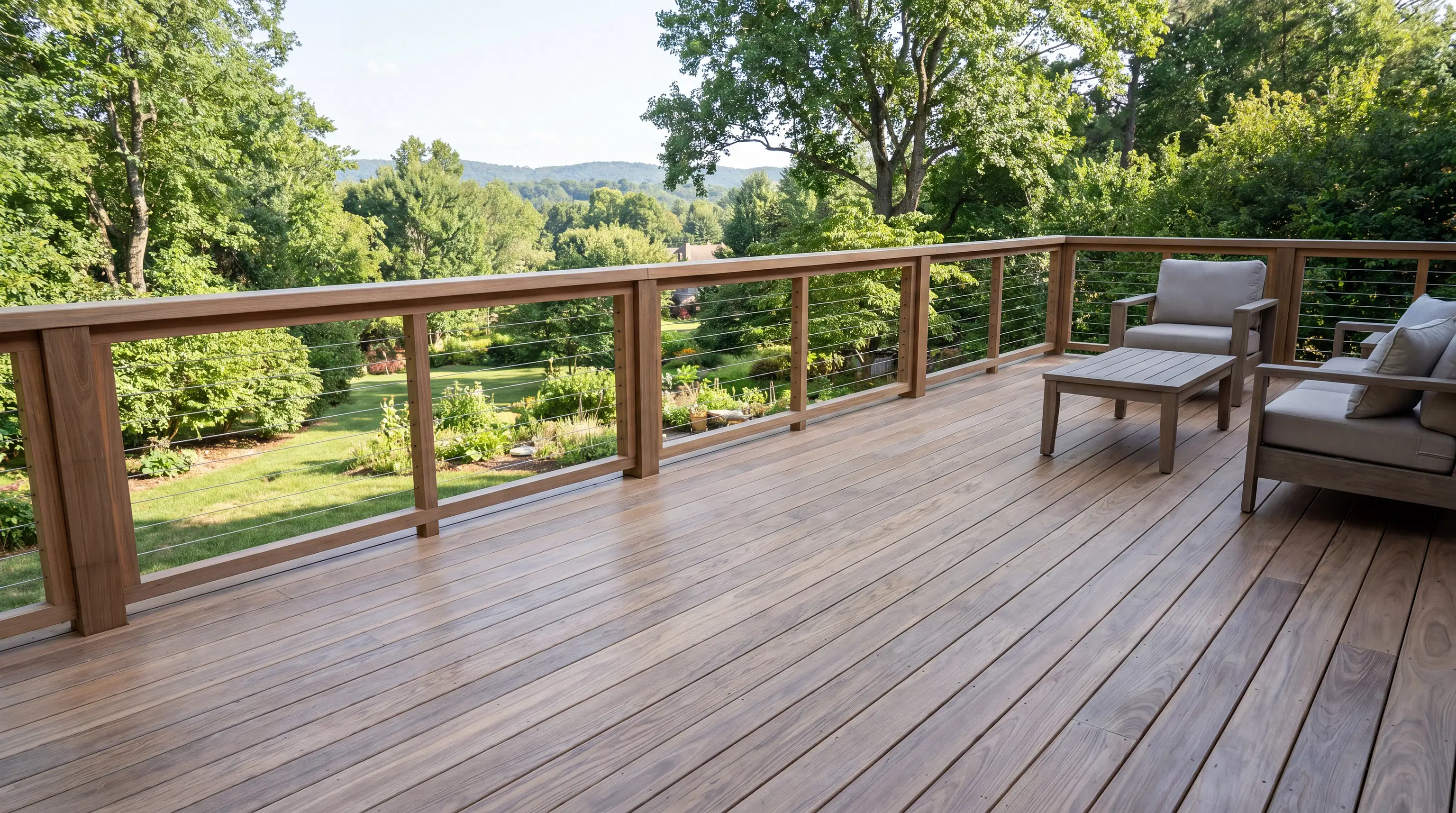
The Classic Choice: Pressure-Treated Wood Decks
For decades, pressure-treated lumber has been the standard for residential decks. It is accessible, reliable, and offers that classic, rustic look that fits perfectly with traditional New England architecture.
When weighing composite decking vs pressure treated wood pros and cons, the most significant advantage of wood is the initial cost. Pressure-treated lumber is highly cost-effective upfront, making it an attractive option for homeowners who want a beautiful outdoor space while keeping initial construction costs manageable. We believe in providing transparent pricing and detailed estimates, and we always make sure our clients understand exactly how these material choices impact their initial budget.
Wood is also incredibly versatile. It can be stained or painted in nearly any color, allowing you to easily change the look of your dooryard or backyard living area over the years. However, this versatility comes with a trade-off in maintenance. Pressure-treated wood is susceptible to moisture, UV rays, and temperature fluctuations. To keep a wood deck looking its best and to prevent splintering, warping, or rotting, it requires regular cleaning, sanding, and resealing or staining every one to three years.
The Modern Upgrade: Composite Decking
If you prefer to spend your summer weekends relaxing rather than wielding a power washer and a paintbrush, composite materials might be the perfect solution. Manufactured from a blend of wood fibers and recycled plastics, composite boards offer the aesthetic appeal of wood without the grueling upkeep.
Our custom decks built with composite materials have become increasingly popular for a good reason. The most notable advantage is durability. High-quality composite boards are highly resistant to fading, staining, scratching, and mold. They will never splinter, which is a major relief for families with young children or pets running around barefoot.
While the upfront cost of composite materials is higher than that of pressure-treated wood, we always encourage clients to look at the bigger picture. Construction technology has advanced rapidly, and today's composite decking accurately mimics the grain and texture of natural wood while offering vastly superior weather resistance. This is particularly valuable for Downeast coastal properties that endure punishing winds and salt spray.
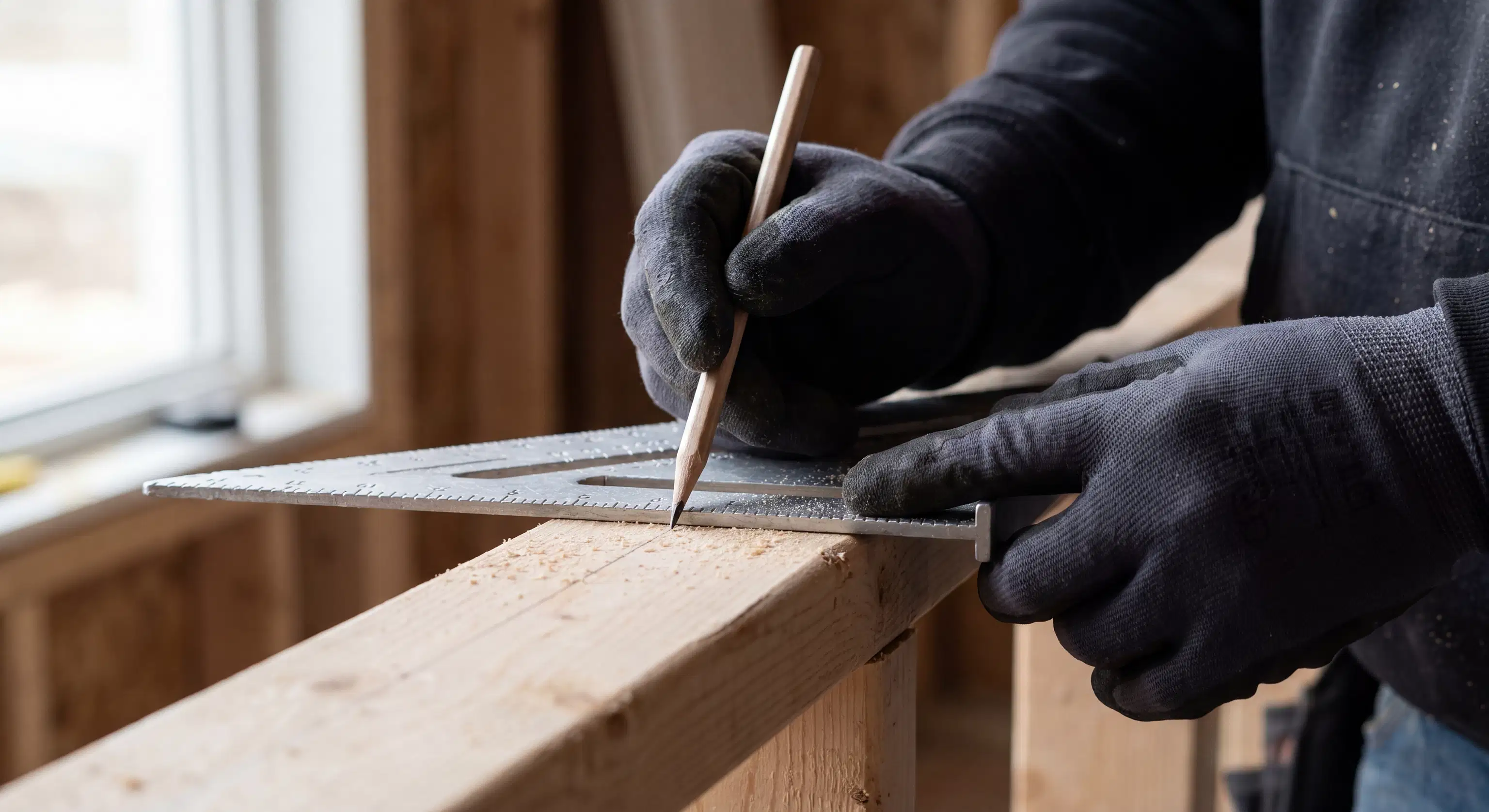
Maintenance Comparison: Composite vs Wood Deck
To truly understand which material is right for you, it is helpful to look at a direct maintenance comparison composite vs wood deck over a ten-year period.
With a pressure-treated wood deck, your maintenance schedule will include annual deep cleaning, replacing the occasional warped board, and fully sanding and restaining the surface every couple of years. The cost of stains, sealants, brushes, and specialized deck cleaners—not to mention the sheer amount of time and physical labor involved—adds up quickly. If you fall behind on this maintenance, especially after a particularly harsh winter, the wood can deteriorate rapidly, leading to safety hazards and the need for premature replacement.
On the other hand, composite decking is famously low-maintenance. Your annual upkeep generally consists of a simple wash with soap and water or a gentle sweep to remove wet leaves and debris. There is no sanding, no staining, and no sealing required. For busy homeowners, this hassle-free maintenance is often worth the higher initial investment, freeing up valuable time to actually enjoy the space.
Composite Deck Lifespan and Return on Investment
When planning significant home renovations, it is essential to consider not just the immediate functionality, but also the long-term value added to your property. If you are analyzing composite deck lifespan and return on investment, the numbers are highly favorable.
A well-maintained pressure-treated wood deck typically lasts between 10 and 15 years in our climate. In contrast, a high-quality composite deck can easily last 25 to 30 years or more, with many top-tier manufacturers offering warranties that guarantee against fading and staining for a quarter-century.
When it comes time to sell your home, prospective buyers place a high premium on low-maintenance features. A beautiful composite deck signals to a buyer that they are inheriting a durable, problem-free outdoor living space. Over the lifespan of the deck, the money you save on sealants, stains, and maintenance labor often balances out or exceeds the higher initial installation cost of the composite materials.
Whether you are looking to create a simple platform deck or integrate custom builds like built-in seating, custom railings, and integrated lighting, choosing a material that aligns with your lifestyle and budget is the first step toward a successful project.
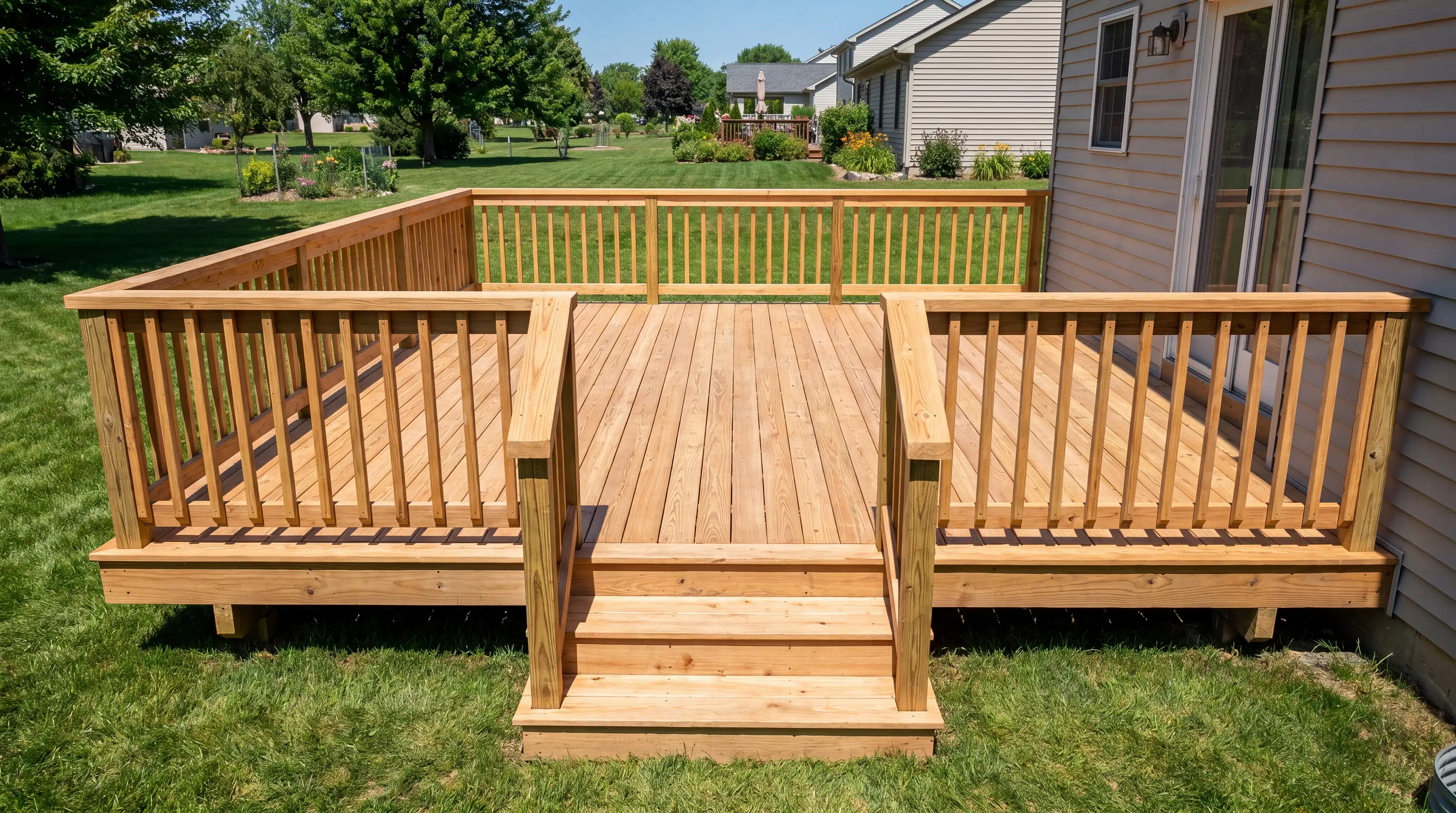
Ready to Build Your Dream Deck?
Choosing between pressure-treated wood and composite decking is a big decision, but you don't have to make it alone. The key to a stress-free renovation is partnering with a licensed, insured, and highly reviewed local general contractor who understands the nuances of our regional climate and building codes.
We know that construction projects can sometimes feel overwhelming, particularly when worrying about project timelines, supply chain delays, and accurate cost estimates. That is why Dirigo Property Services prioritizes clear communication, reliable scheduling, and absolute transparency in all our pricing. We want you to feel confident and excited about your new outdoor space from the initial design consultation all the way to the final walk-through.
If you are ready to upgrade your home in Litchfield or the surrounding communities, we are here to help bring your vision to life with exceptional craftsmanship and honest advice. Reach out to our team today to discuss your ideas and schedule a free estimate.